Table of Contents
Features of the 2 Cylinder 4 Stroke Gasoline Engine Self-Charging Generator
The 2 cylinder 4 stroke gasoline engine self-charging generator is a powerful machine tailored for demanding forestry applications. It is equipped with a robust V-type twin-cylinder gasoline engine, specifically the Loncin brand, model LC2V80FD. With a rated power of 18 kW at 3600 rpm, this engine demonstrates exceptional performance under various operational conditions. This generator’s design includes an intelligent clutch system that engages only when the engine reaches a predetermined rotation speed. This feature ensures effective energy utilization and enhances the overall efficiency of the machine, making it suitable for extended use in forestry work without unnecessary fuel consumption.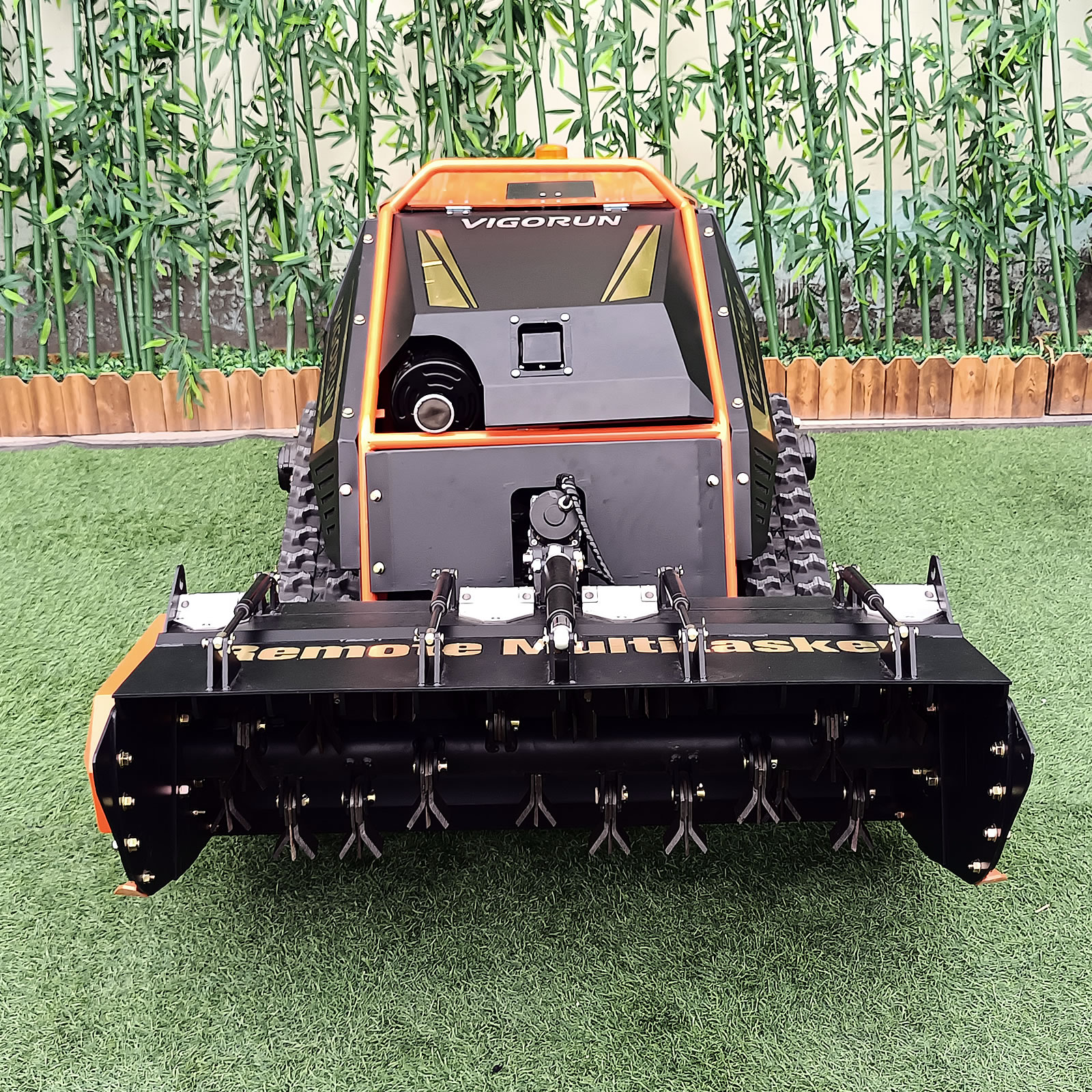
Versatility of the Unmanned Forestry Mulcher
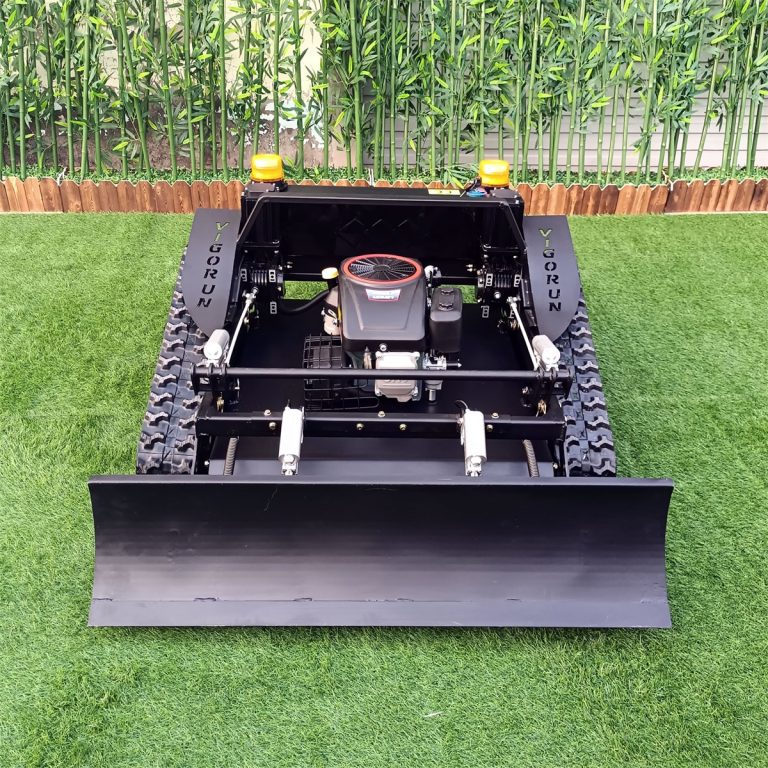
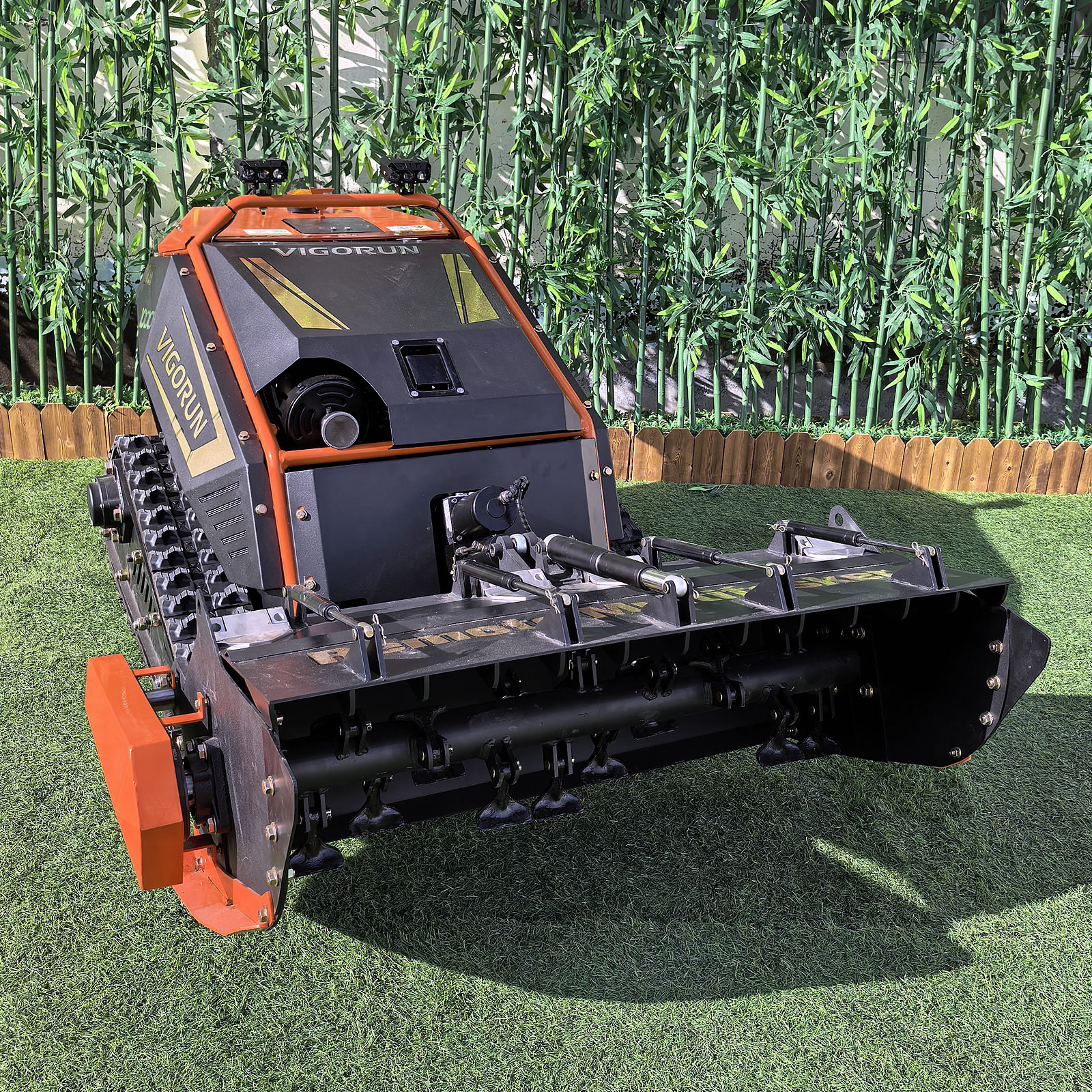 The versatile unmanned forestry mulcher, integrated with the 2 cylinder 4 stroke gasoline engine self-charging generator, is designed for multi-functional usage. Operators can easily interchange front attachments, allowing for a wide range of applications such as heavy-duty grass cutting, shrub and bush clearing, and vegetation management.
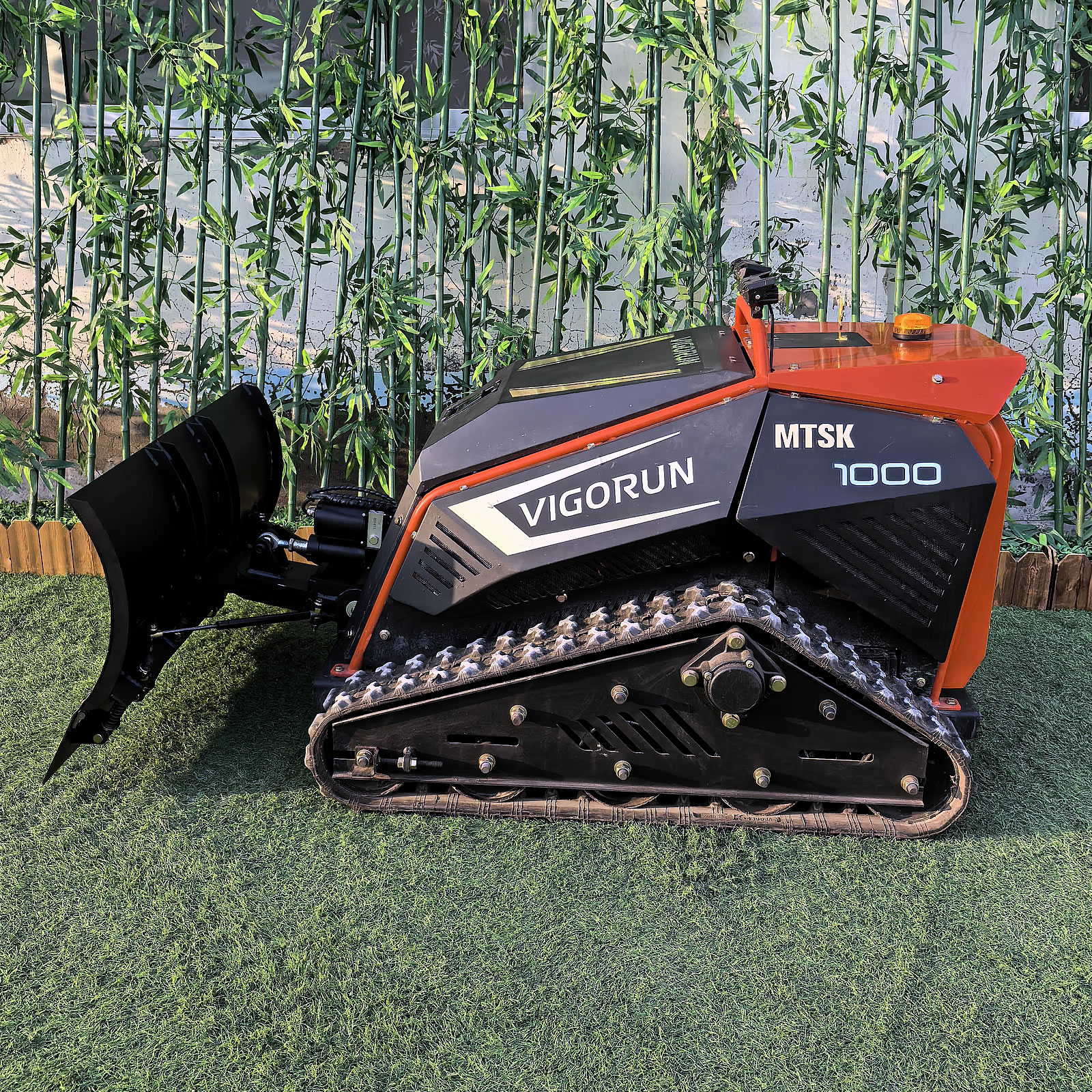
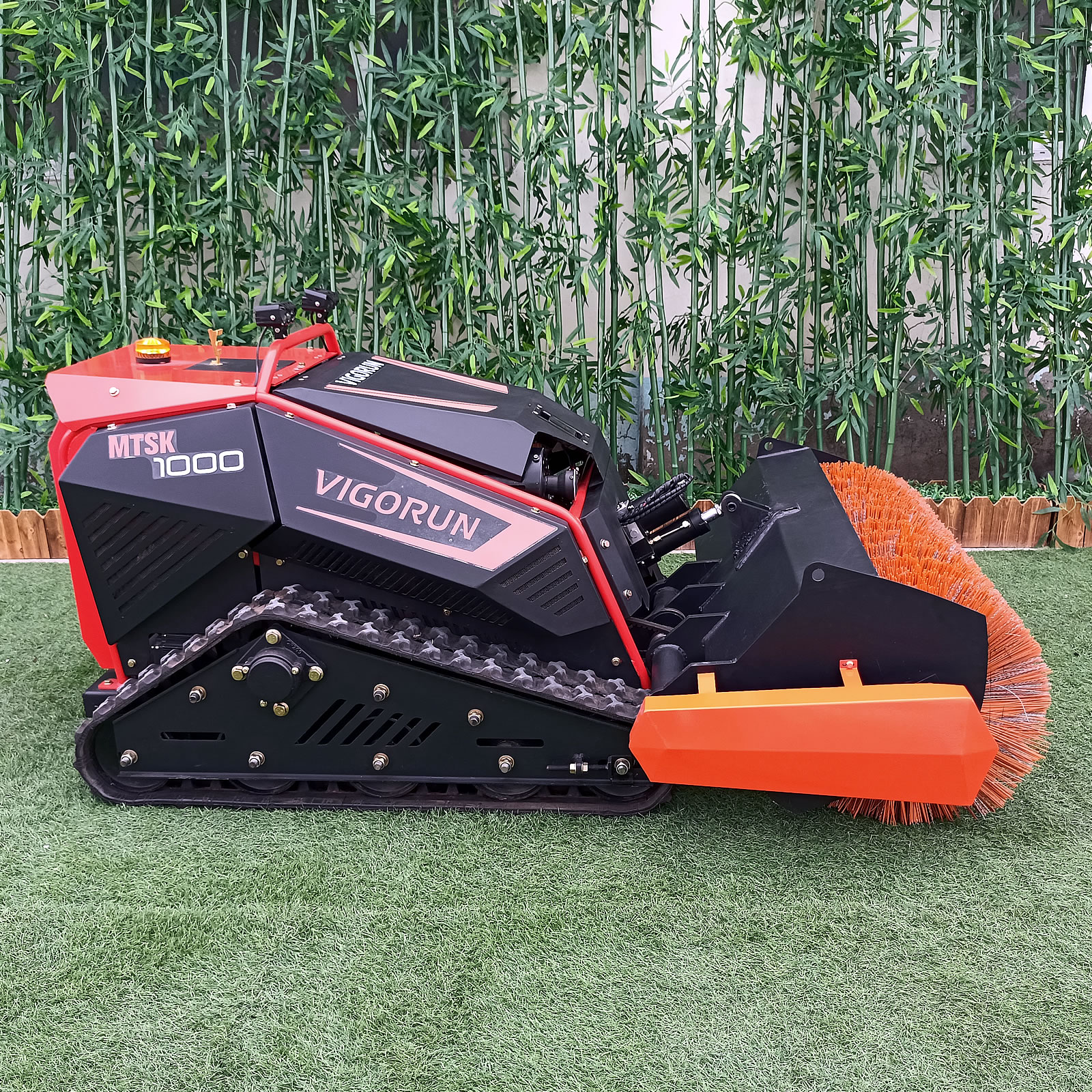
Among the available attachments is a 1000mm-wide flail mower, hammer flail, forest mulcher, angle snow plow, and snow brush. This flexibility makes the mulcher ideal for use in diverse conditions, from cutting dense foliage to managing snow, showcasing its adaptability across various tasks.
The versatile unmanned forestry mulcher, integrated with the 2 cylinder 4 stroke gasoline engine self-charging generator, is designed for multi-functional usage. Operators can easily interchange front attachments, allowing for a wide range of applications such as heavy-duty grass cutting, shrub and bush clearing, and vegetation management.
Among the available attachments is a 1000mm-wide flail mower, hammer flail, forest mulcher, angle snow plow, and snow brush. This flexibility makes the mulcher ideal for use in diverse conditions, from cutting dense foliage to managing snow, showcasing its adaptability across various tasks.
 The inclusion of electric hydraulic push rods enables remote height adjustment of attachments, providing operators with enhanced control over their work. This feature simplifies the process of adjusting the machine for different tasks and terrains, thereby increasing productivity and effectiveness in the field.
 The intelligent servo controller further optimizes operation by precisely regulating motor speed and synchronizing movements between the left and right tracks. This advanced technology ensures that the mulcher can traverse in a straight line without constant adjustments, reducing operator fatigue and minimizing operational risks on steep slopes.