Table of Contents
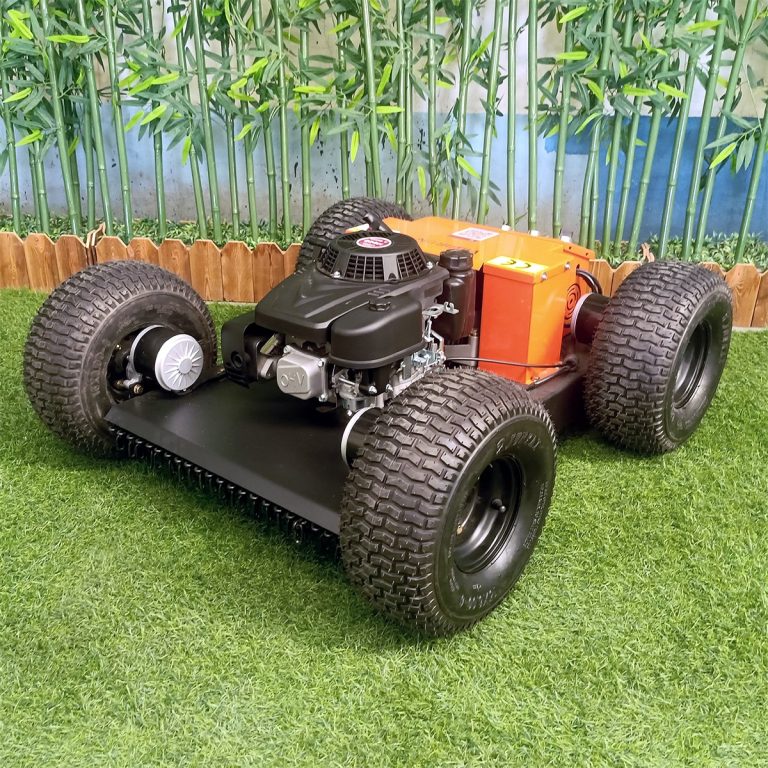
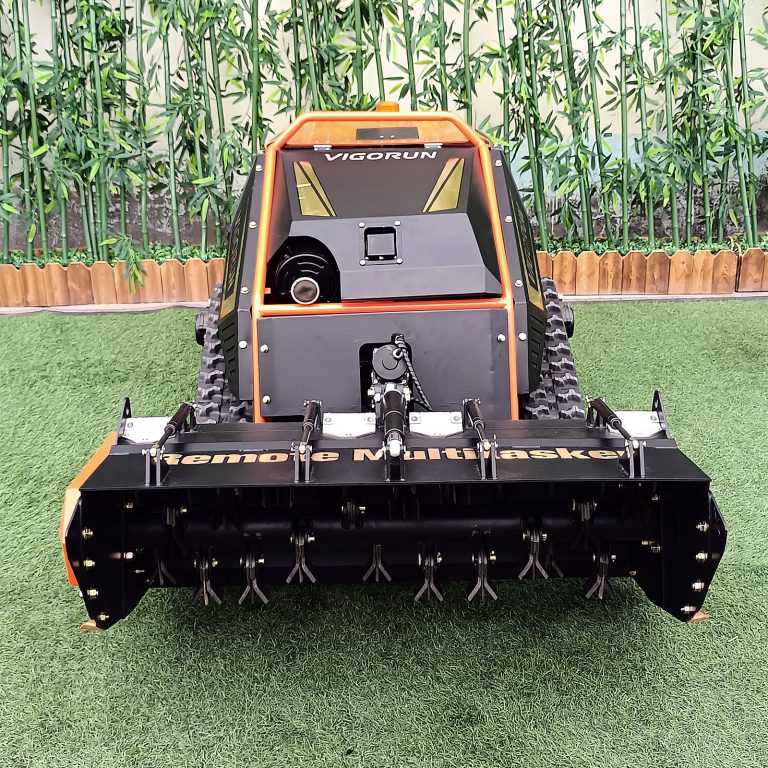
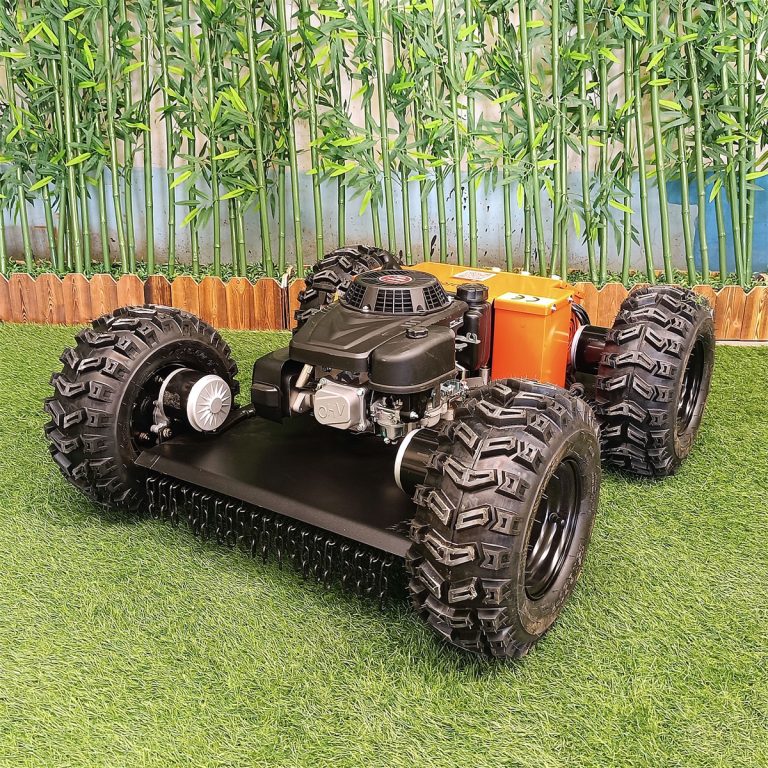
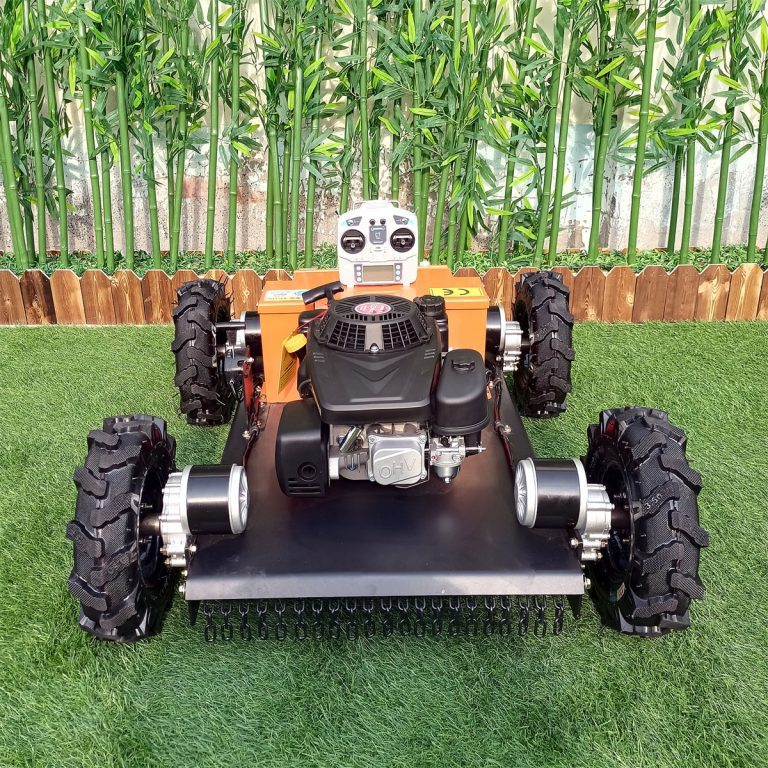
Features of the 2 Cylinder 4 Stroke Gasoline Engine Long Distance Remote Control Versatile Remote Handling Lawn Mulcher
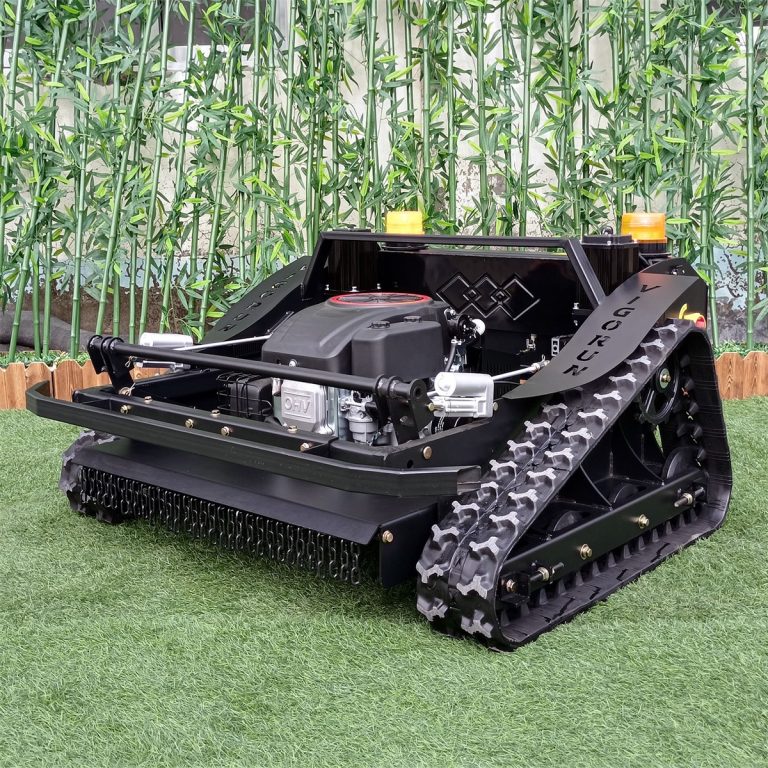
 The 2 cylinder 4 stroke gasoline engine long distance remote control versatile remote handling lawn mulcher is an advanced piece of equipment designed for efficient outdoor maintenance. This machine is powered by a robust V-type twin-cylinder gasoline engine, specifically the Loncin brand model LC2V80FD. With a rated power output of 18 kW at 3600 rpm, it offers strong performance that ensures reliable operation even under demanding conditions.

 This powerful 764cc gasoline engine is equipped with a clutch mechanism that engages only when the engine reaches a predetermined rotation speed. This feature not only enhances the efficiency of the machine but also contributes to its longevity by reducing unnecessary wear on components. The design ensures that operators can maximize their productivity while maintaining the equipment’s integrity over time.
Safety is a paramount consideration in the design of this lawn mulcher. The built-in self-locking function guarantees that the machine remains stationary until both power is activated and throttle is applied. This significantly reduces the risk of unintended movement, providing peace of mind during operation, especially on slopes or uneven terrain.
This powerful 764cc gasoline engine is equipped with a clutch mechanism that engages only when the engine reaches a predetermined rotation speed. This feature not only enhances the efficiency of the machine but also contributes to its longevity by reducing unnecessary wear on components. The design ensures that operators can maximize their productivity while maintaining the equipment’s integrity over time.
Safety is a paramount consideration in the design of this lawn mulcher. The built-in self-locking function guarantees that the machine remains stationary until both power is activated and throttle is applied. This significantly reduces the risk of unintended movement, providing peace of mind during operation, especially on slopes or uneven terrain.
Versatility and Functionality
 The innovative MTSK1000 model is engineered for multi-functional use, making it a versatile addition to any landscaping or maintenance fleet. Its ability to accept interchangeable front attachments makes it adaptable for various tasks. Operators can easily switch between a 1000mm-wide flail mower, hammer flail, forest mulcher, angle snow plow, or snow brush, allowing for effective grass cutting, shrub clearing, vegetation management, and snow removal.
 Equipped with electric hydraulic push rods, this machine enables remote height adjustment of attachments, enhancing operational flexibility. This feature is particularly useful for adjusting to different mowing conditions or when transitioning between various types of tasks, ensuring that the equipment remains efficient throughout its use.